
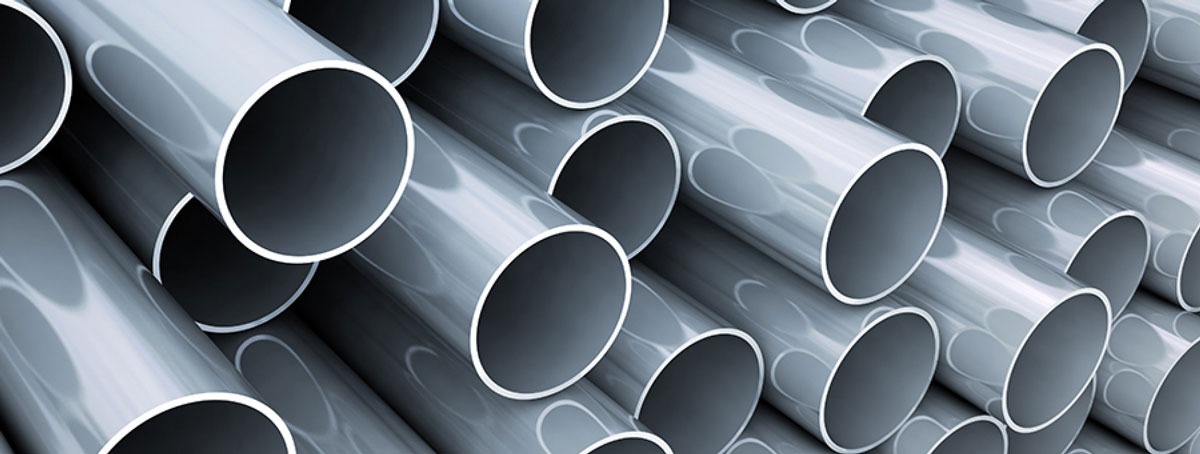
All metal pipes can be divided into groups according to several types of signs: the method of production (electric-welded, cold and hot-deformed, etc.), by the type of metal and brand, by purpose, by the methods of connection. But one of the most important differences between pipes is the dependence of the wall thickness and the total diameter of the pipe, according to this feature, pipes can be divided into two main classes: thin-walled and thick-walled. The first group is used in a wide variety of areas. In general, a pipe is called thin-walled if the thickness of its walls refers to a diameter of 1 to 30 or even 40, this also includes a group of pipes with a diameter of 20 millimeters or less, but the thickness of their walls will be 1.5 millimeters. All these indicators are reflected in the relevant state standards.
Thin-walled pipes are actively used in various construction works. For example, they are ideal for the construction of stop pavilions, fences, and various advertising structures. In principle, they can be used in any structure that does not carry a significant load.
The manufacture of a thin-walled pipe is a very complicated process from a technological point of view. The production consists in the fact that sheet steel of the required thickness is bent to obtain the desired diameter, and then welded on a special machine. During welding, a large number of factors must be observed: the welding technology itself, dimensional accuracy, and also additionally ensure the quality of the pipe surface. This is not as easy to achieve as it seems at first glance.
Serious geometric requirements for such systems are explained by the fact that such a part is installed much more often than one could imagine in prominent areas, therefore it must meet a number of specific interior and exterior indicators. If the surface of the pipe turns out to be not too flat, then this product will be impossible to use in direct construction in an office or home.
Thin-walled metal pipes do not have to be round. In the past few years, rectangular shaped pipes have been on sale. They do not weigh too much, however, due to the creation of additional stiffeners during the production process, a structure made of such a material turns out to be much more durable, while it retains all its other parameters. Rectangular steel pipes are very often used when you need to somehow decorate a room, they are also suitable for the manufacture of office and home furniture.
A metal electrowelded cold-rolled thin-walled pipe is produced according to a technology that is accurately described in the state standard GOST 10704-91, or you can be guided by special technical conditions TU 14-105-737-2004.
The quality of thin-walled metal products can vary. In addition, a welded pipe made from a steel sheet produced in the cold rolling process usually has a good outer surface and is made in compliance with all the required dimensions: diameter, length, wall thickness.
If the pipe is produced using hot-rolled technology, then its cost will be much higher, since the manufacturing process itself is much more difficult. However, such pipes are more suitable for creating furniture, various commercial equipment and other products. The surface of hot-rolled thin-walled pipes is usually coated with several layers of special paint or undergoes a galvanization process. Usually, alloy or carbon steel is used for such pipes, but here it is very important that the chemical composition of the material fully complies with the state standard GOST 8734-78.
The use of different grades of steel in the manufacturing process makes it easy to bend pipes, giving them the most attractive appearance.
It should be noted that not only metal pipes are thin-walled. On sale you can find a similar material made of plastic. Of course, plastic pipes are not suitable for the production of furniture or any serious supporting structures, but they are almost ideal material for laying pipelines due to their long service life, low cost and ease of installation.